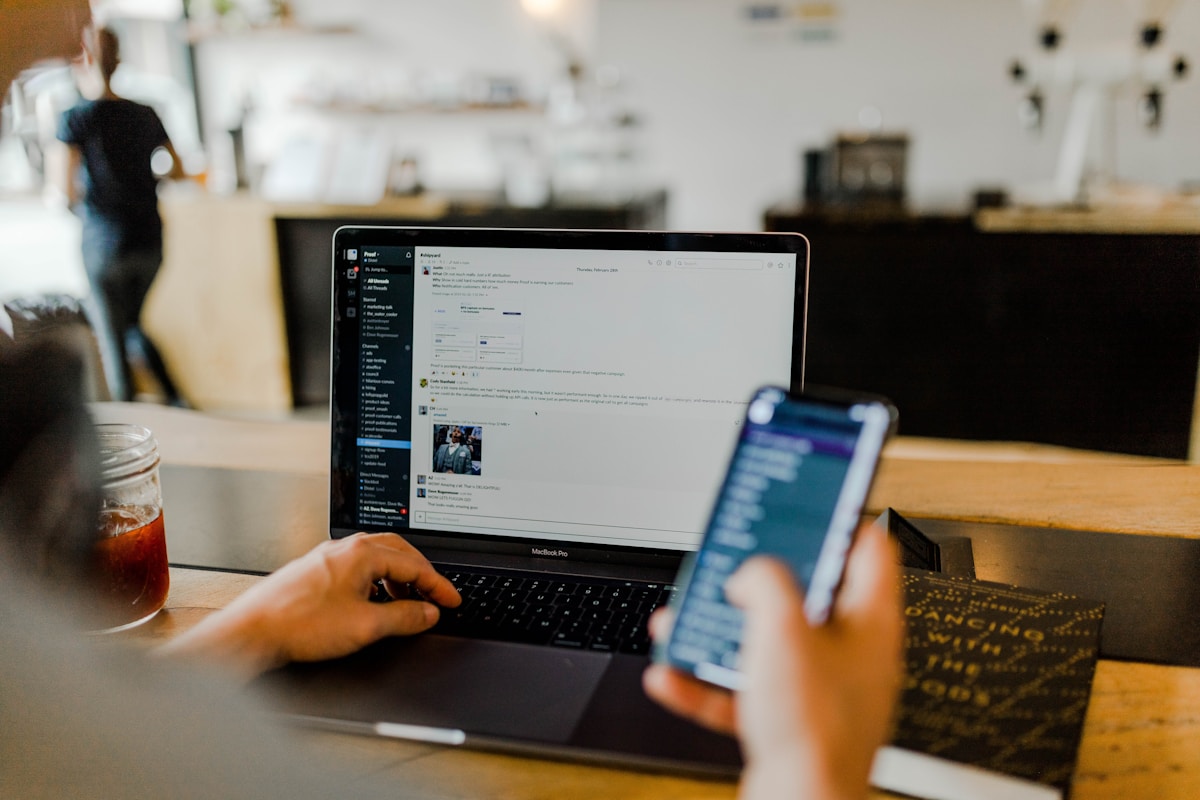
HARGEISA — Visitors to the bustling open-air markets of Hargeisa are often struck by an unexpected observation: the virtual absence of physical cash. From street-side vegetable vendors and nomadic milk sellers to large electronics retailers, transactions are conducted using simple, low-cost mobile phones. Somaliland has quietly developed one of the most advanced and highly integrated cashless economies in the world. Driven by private telecommunications companies, mobile money platforms like ZAAD and e-Dahab have transformed local trade, bypassed a fragile banking system, and driven financial inclusion to unprecedented levels.
The Birth of a Cashless Ecosystem
The origins of Somaliland's mobile money revolution are rooted in economic necessity. In the years following its declaration of independence in 1991, the country faced severe currency instability. The Somaliland Shilling (SLSH) suffered from hyperinflation, and because the highest denomination notes were relatively small, simple transactions required carrying brick-sized bundles of paper money. This created major security risks for traders and made daily commerce highly inefficient.
In 2009, Telesom, the nation’s largest telecommunications operator, introduced the ZAAD mobile money service. Utilizing basic USSD technology that runs on inexpensive, non-smartphone handsets, ZAAD allowed users to deposit, withdraw, transfer, and store money in US Dollars (USD) directly on their mobile SIM cards. A similar service, e-Dahab, was launched shortly after by Dahabshiil, the region’s largest remittance provider. Because the services were fast, secure, and initially offered free of transaction fees, they achieved rapid, near-universal adoption.
"Mobile money saved our businesses. In the early 2000s, I had to hire a wheelbarrow to carry the shillings needed to buy wholesale goods. Today, I pay my importers in Dubai and my local farmers in Gabiley using my phone in less than ten seconds." — Halima Warsame, Wholesale Produce Trader at Hargeisa Central Market
Transforming Micro-Commerce and Rural Trade
While mobile payments are common globally, Somaliland’s model is unique in its depth of penetration. Even the most marginalized market traders utilize unique merchant codes—known as "Merchant Numbers"—to receive payments. Customers simply dial a short USSD code, enter the merchant ID, specify the amount, and confirm with a PIN. The transfer is instantaneous, with both parties receiving SMS receipts.
In rural and pastoralist areas, mobile money has bridged the geographic divide. Nomadic herders can sell livestock in remote villages and transfer the proceeds to families in Hargeisa to pay school fees or buy food, reducing the risks of highway robbery. In a country where more than 80% of the population was historically unbanked, mobile money has provided a secure, accessible financial storage system, empowering women and rural micro-entrepreneurs who were previously excluded from formal financial systems.
Furthermore, local utility providers, private schools, and water delivery companies accept mobile money as their primary billing method, streamlining municipal services and improving tax collection efficiency for local councils.
Inflation Management and Currency Stabilization
The ubiquity of US Dollar-denominated mobile transactions initially posed a significant challenge to the Somaliland Shilling. Because the majority of digital commerce was conducted in USD, the demand for local shillings dropped, accelerating inflation and devaluing the domestic currency. This currency fragmentation hit low-income earners particularly hard, as they typically received wages in shillings but had to purchase basic goods in USD.
Recognizing the macroeconomic risks, the Bank of Somaliland coordinated with mobile operators to introduce technical adjustments to the platforms. New software features mandated that all transactions under $10 must be processed in Somaliland Shillings, re-anchoring the local currency in daily retail trade. This policy intervention successfully stabilized the shilling's exchange rate, curbed retail inflation, and demonstrated how central banks can utilize private fintech platforms to implement monetary policy in developing economies.
Security Protocols and Consumer Protection
Operating a cashless economy dependent on USSD protocols requires robust cybersecurity measures and consumer protection standards. Since the platforms do not rely on constant internet connections, the security architecture is built directly into the telecommunication operators' core networks. Multi-factor authentication, cryptographic SIM-card pairing, and automated fraud-detection systems monitor transactions in real time to prevent unauthorized access.
Telecommunications operators have also established network redundancy systems, ensuring that mobile money services remain active even during localized power outages or optical fiber disruptions. If a master network link fails, traffic is automatically rerouted through satellite backup systems, protecting the economy against critical transactional freezes and securing local commerce.
Macroeconomic Challenges and Regulatory Frameworks
The rapid growth of a private-led digital currency ecosystem has created unique challenges for Somaliland’s central banking regulators. For years, the high usage of US Dollar-backed mobile transactions contributed to the marginalization of the local Somaliland Shilling, accelerating currency dollarization and putting pressure on local exchange rates.
To stabilize the national currency, the Bank of Somaliland introduced directives requiring mobile money operators to integrate the Somaliland Shilling into their platforms and mandate local-currency pricing for low-value transactions. This regulatory intervention has helped reintroduce the shilling into the digital ecosystem, protecting low-income citizens who earn their livelihoods in local currency and stabilizing inflation rates.
Furthermore, operators have implemented robust compliance protocols to meet international anti-money laundering (AML) and know-your-customer (KYC) standards, ensuring that Somaliland's digital trade remains connected to global financial corridors despite the lack of formal banking recognition.
E-E-A-T Editorial Sourcing and Financial Verification
Somaliland NTV is committed to providing authoritative, objective coverage of fintech and economic trends. Our reports are compiled through interviews with mobile money product managers, economists from the Somaliland Chamber of Commerce, and regulatory officials at the Bank of Somaliland. We verify our financial metrics and transaction data using reports from the World Bank and the International Monetary Fund (IMF) to ensure our global audience receives reliable, unbiased news.
Conclusion: A Blueprint for the Future of Money
Somaliland’s cashless revolution stands as a powerful demonstration of how technology can leapfrog traditional, infrastructure-heavy banking models in developing regions. By turning mobile phones into secure wallets and digital cash registers, the country has built a highly efficient, resilient trade infrastructure from the ground up. As the global economy increasingly moves toward digital transactions, Somaliland’s mobile money ecosystem offers a practical blueprint for financial inclusion, innovation, and community resilience.