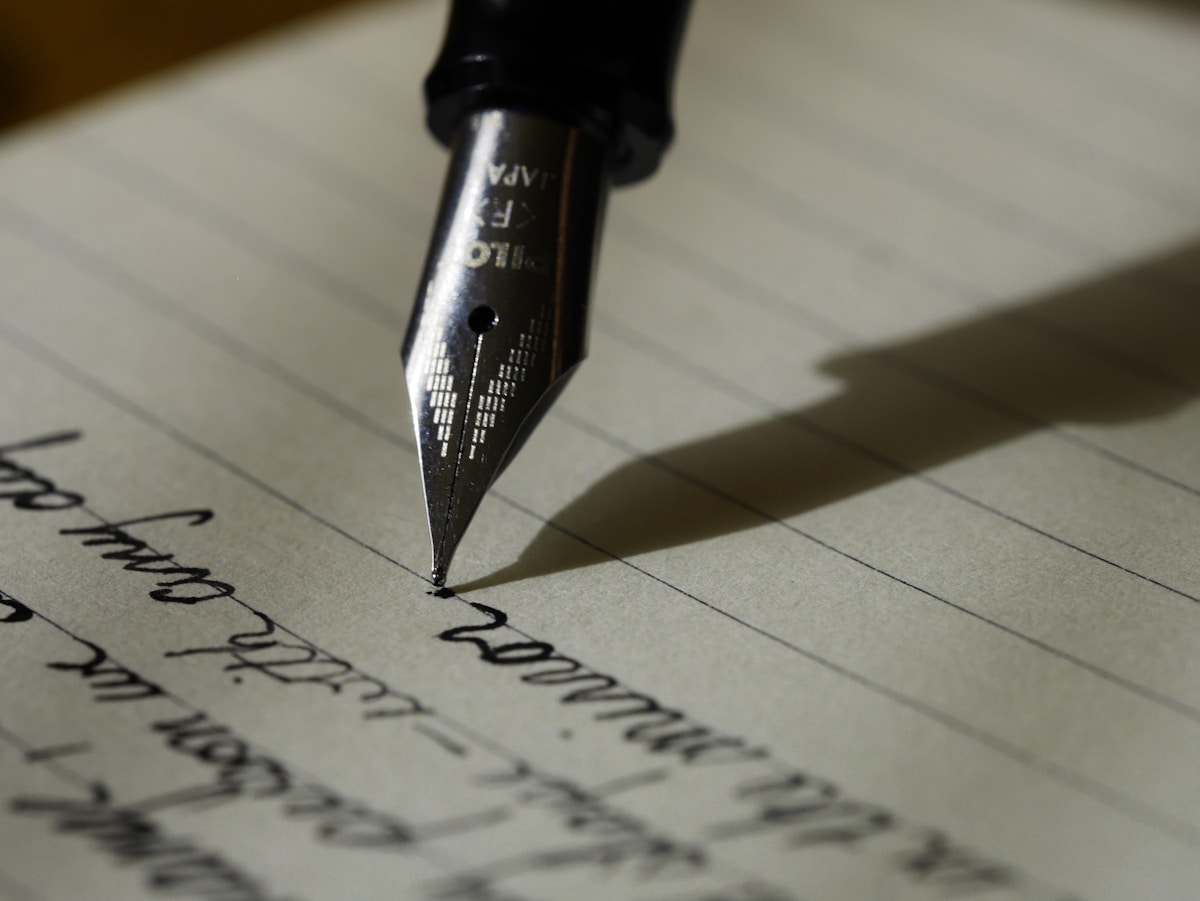
HARGEISA — The 19th-century British explorer Richard Burton, during his travels through the Horn of Africa, famously noted that the Somali country was "teeming with poets." This characterization remains as true today as it was nearly two centuries ago. In Somali society, poetry—specifically the classical oral form known as *gabay*—is not merely an artistic pastime; it is the primary medium of historical record, political debate, dispute resolution, and national identity. Often referred to as the "Nation of Poets," Somaliland continues to treat poetry as a living, breathing social force that shapes modern public opinion and preserves the soul of the culture.
A Sophisticated Oral Tradition
For centuries, the Somali language had no official written script, relying instead on a highly developed oral tradition. In this environment, memorized poetry served as the community's mass media. A poet (the *gabayyahan*) was a combination of a journalist, a historian, a political commentator, and a diplomat. If a clan wished to declare war, sue for peace, record a historical battle, or critique a leader’s governance, they did so through highly structured verses designed for easy memorization and rapid dissemination across pastoralist routes.
The classical *gabay* is characterized by its strict mathematical structure. It utilizes a quantitative meter system based on the length of syllables and requires alliteration (*hikaad*)—meaning that every line of a poem must contain at least one word beginning with the same chosen consonant. A single *gabay* can span hundreds of lines, maintaining this strict alliterative and metrical discipline throughout, a testament to the linguistic genius of its creators.
"To understand the Somali people, you must understand their poetry. In times of war, a single poem could trigger conflict; in times of peace, a poem was the ultimate tool of reconciliation. It is the repository of our collective memory and our moral values." — Prof. Mohamed Abdi, Department of Somali Literature, University of Hargeisa
The Taxonomy of Somali Poetry: Meters and Forms
Linguistic scholars classify Somali poetry into several distinct genres based on their metrical structures, delivery styles, and social functions. While the *gabay* is reserved for serious, long-form political commentary and philosophy, other meters serve different aspects of daily life. The *geeraar*, historically delivered on horseback, is characterized by its rapid, rhythmic pace and was traditionally used for war chants and celebrating equestrian skill. The *jiifto*, on the other hand, is a slower, reflective meter utilized for elegies, religious devotion, and personal introspection.
For women, the *buraanbur* represents a dedicated, powerful poetic medium. Characterized by its unique, rhythmic structure often accompanied by hand-clapping and drums, the *buraanbur* addresses topics of female solidarity, child-rearing, historical events, and political mobilization. During the struggle for independence, female poets used the *buraanbur* to rally communities and raise funds, demonstrating that the poetic tradition was a shared vehicle for national liberation.
Education and Poetic Preservation
To ensure that the mathematical and linguistic rules of classical poetry are not lost in the era of digital distraction, the Somaliland Ministry of Education has integrated classical poetic structures directly into the national secondary school language curriculum. Students learn to analyze the complex syllable metrics of the *gabay* and practice composing their own alliterative verses, linking linguistic education with cultural heritage preservation.
Furthermore, annual national youth poetry competitions, held during major cultural holidays, offer substantial cash prizes and public recognition for young poets who demonstrate mastery of classical meters. These events, heavily broadcast on NTV and digital media platforms, have sparked a resurgence of interest among urban youth, who view the mastery of classical verse as a highly respected intellectual achievement, anchoring their modern identity in traditional arts.
The Historical Role of Poetry in Politics and Resistance
Throughout history, poetry has played a central role in political mobilization and resistance. During the late 19th and early 20th centuries, the anti-colonial leader Sayyid Abdullah Hassan used poetry as a primary weapon to unite clans and mobilize resistance against British, Italian, and Ethiopian forces, composing complex verses that are still memorized by students today.
During the struggle for independence and the subsequent resistance against the military dictatorship in the 1980s, poets like Mohamed Ibrahim Warsame "Hadraawi"—often referred to as the Somali Shakespeare—used allegorical poetry to critique authoritarian rule and call for democratic liberation. Hadraawi's famous poems, such as "Hal-Karah" (The Fire), were whispered in local teashops and broadcast secretly, keeping the spirit of resistance alive during the country's darkest hours.
Poetry was also the primary vehicle for the *Xeer*—the traditional Somali customary law. Elders recited poetic legal maxims to settle complex disputes over land, water resources, and livestock, using the rhythmic structure of the verses to ensure that legal precedents were remembered accurately across generations.
Preserving the Heritage in the Digital Age
As Somaliland rapidly urbanizes and integrates into the global digital landscape, concerns have arisen regarding the preservation of classical poetry among the younger generation. In response, local cultural organizations have launched creative digital archiving projects. The Hargeisa Cultural Center has digitized thousands of hours of rare audio recordings featuring classical poetry recitals from the mid-20th century, creating a accessible repository for researchers worldwide.
For young poets, social media has become a powerful new vehicle. Platforms like TikTok and WhatsApp have enabled a democratization of the art form, allowing young writers to share short, rhythmic verses addressing modern issues such as climate change, corruption, and the search for international recognition, ensuring that the oral tradition remains adaptive, active, and relevant.
E-E-A-T Editorial Guidelines and Cultural Accuracy
Somaliland NTV is committed to reporting on Somali culture and oral heritage with absolute academic and linguistic precision. Our articles are written in consultation with literature professors at the University of Hargeisa, curators at the Hargeisa Cultural Center, and senior members of the Somaliland Writers Association. We verify all historical recitations and biographical details against published anthologies to ensure our global audience receives verified, authentic cultural journalism.
Conclusion: The Living Voice of the Nation
In a world of rapid technological change and cultural homogenization, the enduring vitality of Somali poetry is a testament to the resilience of the oral tradition. By continuing to use verse to celebrate beauty, critique injustice, and debate the future of their society, Somaliland's poets are ensuring that their cultural heritage remains a living, evolving force. The *gabay* remains the true voice of the nation, connecting the wisdom of the pastoral past with the aspirations of the digital future.