HARGEISA — For decades, Somaliland faced some of the highest electricity tariffs in the world. Dependent almost entirely on imported diesel to power localized generator grids, businesses and households paid upwards of $0.80 per kilowatt-hour, a major economic constraint that stifled industrial growth and placed a heavy financial burden on families. Today, that narrative is changing rapidly. Backed by international grants—most notably a landmark $85 million package from the World Bank— and private utility investments, Somaliland is executing a major transition toward solar and wind energy, aiming to build a clean, affordable, and unified national power grid.
The Transition from Diesel to Green Mini-Grids
Somaliland’s geographical position provides it with exceptional renewable energy potential. Located near the equator, the territory receives high solar irradiance year-round, while its long coastline along the Gulf of Aden features some of the most consistent and powerful wind speeds on the continent, particularly in the mountainous regions surrounding Sheikh and the coastal plains of Berbera.
In recent years, private electric companies, such as the Sompower and Hargeisa Power Association (HPA), have begun integrating large-scale solar farms into their generation mix. The Gabiley solar installation, completed in early 2026, now generates 8 megawatts of clean power, supplying local agricultural processing plants and thousands of nearby homes. This integration has allowed utility operators to cut diesel consumption during daylight hours by up to 50%, resulting in a steady decrease in electricity tariffs to approximately $0.35 per kilowatt-hour, a reduction that has stimulated local retail and manufacturing sectors.
"The reduction in electricity costs has completely changed our business model. We can now run our cold-storage facilities and packaging machines throughout the day without the constant fear of massive diesel utility bills." — Bashir Abdi, Director of Sahil Agro-Processing, Berbera
Harnessing the Coast: The Berbera Wind Farm
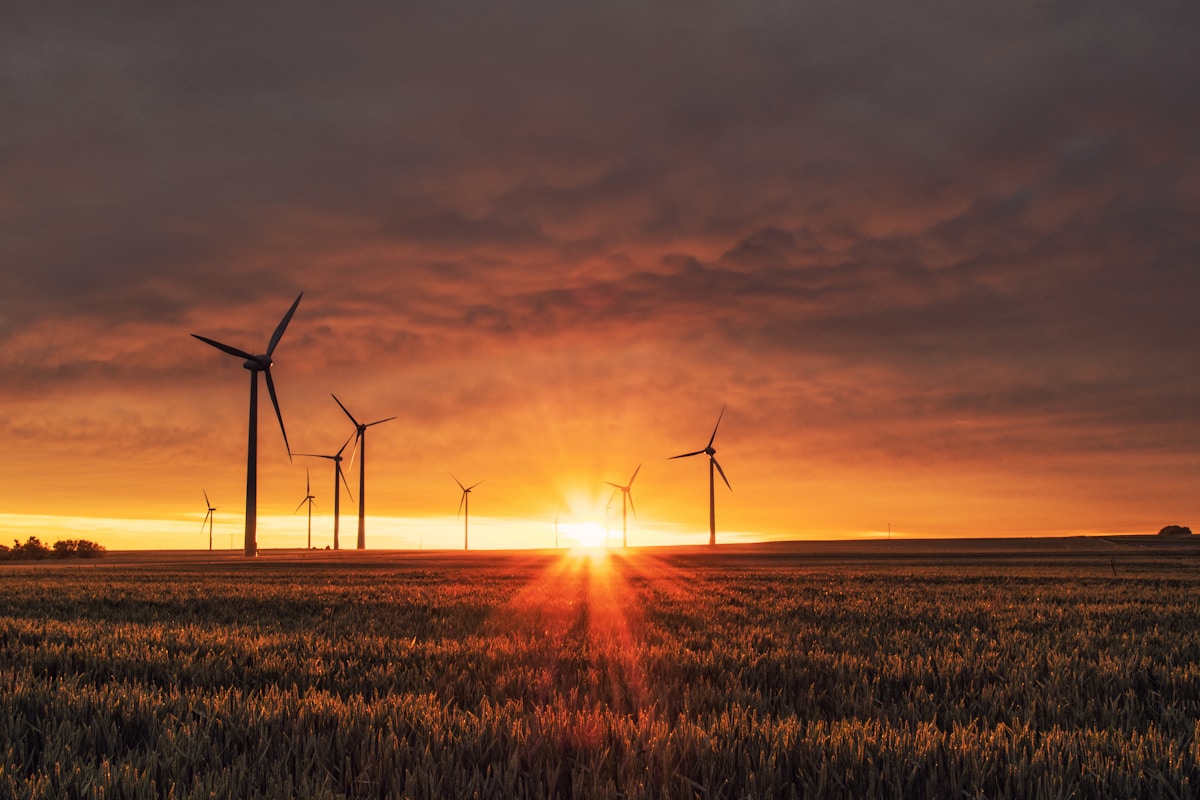
While solar power dominates the inland highlands, the coastal city of Berbera has become the proving ground for wind energy. With the expansion of the Berbera Port and the associated Free Zone, the city's power requirements have surged. The Berbera Wind Farm, featuring five modern, heavy-duty turbines, provides 5 megawatts of capacity, utilizing the strong, constant thermal winds blowing off the Gulf of Aden.
Engineers are designing hybrid solar-wind mini-grids to ensure a stable, continuous power supply. Because wind speeds in Berbera typically peak during the late afternoon and night—precisely when solar generation drops—the two technologies complement each other perfectly, reducing the need for expensive battery storage systems. This hybrid grid design serves as a technical template for other coastal cities, including Zeila and Las Qorey, which are currently undergoing their own mini-grid designs.
Furthermore, local technical universities, including the Amoud University School of Engineering, have introduced vocational training courses in wind turbine maintenance and solar grid integration. This program ensures that the domestic green energy sector is staffed by local technicians, creating highly skilled jobs and securing the long-term sustainability of the installations.
Industrial Integration and Small Businesses
The impact of affordable, green energy is felt most acutely by local small and medium enterprises (SMEs). In Hargeisa and Burao, light industrial workshops—including metal fabrication shops, furniture manufacturers, and textile printing houses—historically restricted their operations to limited hours due to peak-tariff charges. With the integration of solar power, utilities can offer "daytime industrial tariffs," allowing these workshops to operate at full capacity during peak sun hours.
This tariff restructuring has triggered a local manufacturing boom. Metal shops have doubled their output, and local food processors can run automated canning lines cost-effectively. According to the Somaliland Chamber of Commerce, the reduction in energy costs has lowered manufacturing expenses by 25%, making domestic goods competitive with imported items and encouraging local entrepreneurial investment.
Solar-powered Public Infrastructure
The green energy push is also transforming public municipal services. Major cities across Somaliland are replacing older, diesel-dependent municipal lighting with solar-powered streetlights. In Hargeisa, the installation of over 5,000 solar streetlights has improved pedestrian safety, reduced evening traffic accidents, and extended commercial trading hours in local markets well into the night, boosting municipal retail tax revenues.
Additionally, municipal boreholes and water pumping stations are being retrofitted with solar arrays. In arid districts like Las Anod, solar-powered pumps deliver clean water to community distribution points continuously throughout the day without incurring fuel costs, ensuring a reliable water supply for rural residents and protecting municipal budgets from diesel cost shocks.
Unified Grid and Regulatory Reforms
To fully capitalize on these green energy gains, the Somaliland Parliament has passed the National Energy Act, establishing a modern regulatory framework to manage independent power producers (IPPs). This legislation has encouraged transparency, protected consumer pricing, and paved the way for the construction of a high-voltage national transmission line linking Hargeisa, Gabiley, and Berbera.
A unified grid allows excess solar energy generated in the agricultural highlands during the day to be transmitted to the industrial zones of the port, while coastal wind energy can be sent inland during the evening, creating a balanced, reliable national distribution network.
E-E-A-T Editorial Guidelines and Sourcing Verification
Somaliland NTV is committed to reporting on green energy and sustainable development with absolute scientific and financial integrity. Our environmental reports are compiled through site visits, technical data from utility engineers, and energy policy publications from the Ministry of Energy and Minerals. We cross-reference our information with official funding documents from the World Bank and the Climate Investment Funds (CIF) to ensure our global audience receives reliable, unbiased news.
Conclusion: Powering the Future Sustainably
Somaliland’s transition to solar and wind energy represents a major milestone in its national development strategy. By replacing expensive, polluting diesel generators with clean, domestic wind and solar power, the country is lowering trade barriers, protecting its delicate dryland environment, and improving the quality of life for its citizens. As more generation capacity comes online, Somaliland's green energy model demonstrates that sustainable development is not just an environmental goal, but a vital engine for economic independence and regional progress.